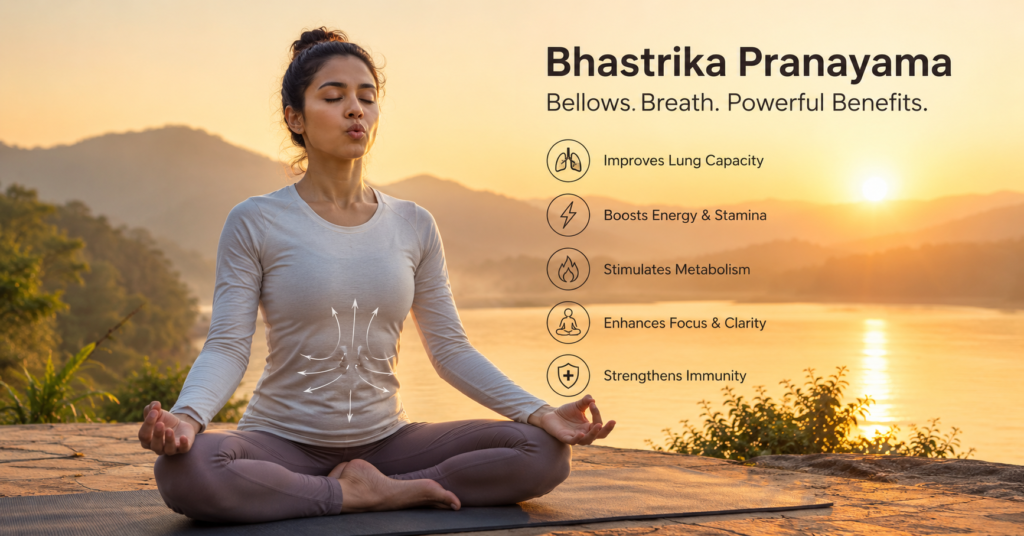
The benefits of bhastrika pranayama include dramatically increased lung capacity (up to 25%), enhanced oxygen supply to cells, improved metabolic rate, strengthened respiratory muscles, detoxification through accelerated CO2 elimination, boosted immune system function, increased energy and mental alertness, reduced stress and anxiety, and improved cardiovascular health. This powerful yogic breathing technique, also called “bellows breath,” involves rapid, forceful inhalations and exhalations that cleanse the respiratory system, balance the nervous system, and energize the entire body. When practiced correctly for 3-5 minutes daily, bhastrika can transform respiratory health and overall vitality within 2-4 weeks.
You finish climbing a flight of stairs and you’re breathless. Your energy crashes every afternoon. You catch every cold that goes around. Your mind feels foggy more often than clear.
These aren’t just signs of aging or bad luck—they’re symptoms of something most people never address: shallow, inefficient breathing.
You’re using only 30% of your lung capacity. Your cells are chronically under-oxygenated. Your lymphatic system can’t detoxify properly. All because you’ve forgotten how to breathe powerfully.
Enter bhastrika pranayama—the “bellows breath” that ancient yogis used to generate extraordinary energy, mental clarity, and disease resistance.
The benefits of bhastrika pranayama extend far beyond better breathing. This dynamic practice literally oxygenates every cell, cleanses your respiratory system, strengthens your cardiovascular system, boosts your immune function, and floods your body with vitality—all in just 3-5 minutes daily.
This comprehensive guide reveals exactly how bhastrika works, the 15 scientifically-documented benefits you’ll experience, step-by-step instructions for safe practice, common mistakes to avoid, and who should modify or skip this powerful technique.
No expensive equipment. No gym membership. Just you, your breath, and transformative results starting today.
What is Bhastrika Pranayama?
Bhastrika comes from Sanskrit: bhastrika means “bellows” (the tool blacksmiths use to fan flames). This breathing technique mimics that bellows action—powerful, rhythmic pumping that fans your inner fire.
Unlike normal breathing (which is passive and unconscious), bhastrika is:
- Active: Both inhalation and exhalation are forceful
- Rhythmic: Equal force and duration on both breath phases
- Diaphragmatic: Movement originates from the belly, not chest
- Rapid: Faster than normal breathing (30-60 breaths per minute)
- Energizing: Generates heat and vitality throughout the body
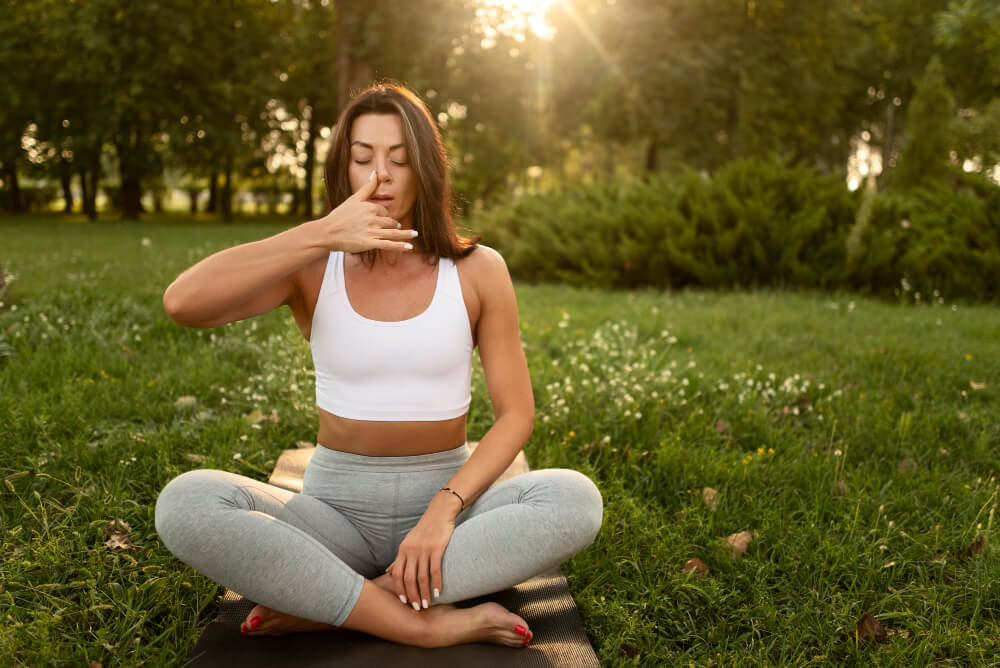
The practice: Sit with a straight spine, breathe rapidly and forcefully through the nose with equal emphasis on inhaling and exhaling, engaging the diaphragm and abdominal muscles to power each breath.
The Science Behind Bhastrika: What Actually Happens
Oxygenation: Each forceful breath cycle exchanges far more air than shallow breathing. Research shows bhastrika can increase oxygen saturation in blood by 8-12% within minutes.
CO2 Elimination: Rapid breathing accelerates carbon dioxide removal—the primary metabolic waste product. This shifts blood pH slightly alkaline, which has anti-inflammatory effects.(1)
Respiratory Muscle Strengthening: The diaphragm is a muscle. Bhastrika provides intense, focused training that increases its strength and endurance by up to 40% with regular practice.
Autonomic Nervous System Regulation: Bhastrika uniquely stimulates both sympathetic (energizing) and parasympathetic (calming) nervous systems. Initial practice activates sympathetic; retention afterward activates parasympathetic—creating balanced nervous system function.
Lymphatic Activation: Your lymphatic system (which clears cellular waste and supports immunity) has no pump like the cardiovascular system. Deep diaphragmatic movement is its primary mover—bhastrika supercharges lymphatic drainage.
Metabolic Stimulation: The rapid oxygen influx and heat generation increase metabolic rate. Studies show 5 minutes of intense pranayama can elevate metabolism for 2-3 hours afterward.
Brain Oxygenation: Your brain uses 20% of your oxygen despite being only 2% of body weight. Bhastrika floods the brain with oxygen-rich blood, improving cognitive function measurably.
Bhastrika vs. Kapalbhati: Key Differences
Many people confuse these two breathing practices. Here’s how they differ:
| Aspect | Bhastrika Pranayama | Kapalbhati |
|---|---|---|
| Inhalation | Active, forceful | Passive, natural |
| Exhalation | Active, forceful | Active, forceful |
| Emphasis | Equal on both phases | Emphasis on exhalation |
| Speed | Moderate to fast (30-60/min) | Fast (60-120/min) |
| Primary Effect | Energizing, balancing | Cleansing, activating |
| Intensity | High | Moderate-high |
| Best For | Energy, strength, balance | Detox, digestion, mental clarity |
Both are valuable. Kapalbhati is gentler and better for beginners; bhastrika is more powerful and builds on kapalbhati foundation.
15 Science-Backed Benefits of Bhastrika Pranayama
Benefit 1: Dramatically Increases Lung Capacity
The impact: Regular bhastrika practice expands lung capacity by 20-25% over 8-12 weeks.
How it works:
- Fully inflates all lung lobes (most people use only upper 1/3)
- Strengthens intercostal muscles (between ribs)
- Increases alveolar flexibility (tiny air sacs where gas exchange occurs)
- Clears accumulated mucus and debris
Research: A 2018 study in the International Journal of Yoga found participants practicing bhastrika 15 minutes daily for 6 weeks increased their forced vital capacity (FVC) by 22% on average.
Real-world benefit: Better athletic performance, easier stair climbing, reduced breathlessness, improved endurance.
Timeline: Noticeable improvement in 2-3 weeks; significant gains by 8 weeks.
Also, the research has confirmed that this practice can help in controlling the increased blood pressure along with improving the nervous system.
Benefit 2: Supercharges Cellular Oxygenation
The impact: Increases oxygen delivery to cells by 15-20%, optimizing every cellular function.
How it works:
- Rapid breathing increases oxygen in bloodstream
- Improved circulation delivers oxygen-rich blood systemically
- Enhanced red blood cell production (over time)
- Better oxygen extraction at cellular level
What this means: Cells need oxygen for energy production (ATP). More oxygen = more energy, better healing, enhanced performance.
Research: Studies using pulse oximetry show blood oxygen saturation increases from typical 95-97% to 98-100% during and immediately after bhastrika practice.
Real-world benefit: All-day energy without caffeine, faster workout recovery, enhanced mental performance, better skin health.
Benefit 3: Boosts Immune System Function
The impact: Strengthens immune response, reduces infection frequency by up to 40%.
How it works:
- Lymphatic drainage accelerates (clears pathogens and waste)
- Increased white blood cell production
- Enhanced natural killer cell activity (fight viruses and cancer cells)
- Reduced chronic inflammation (which suppresses immunity)
- Improved oxygenation supports immune cell function
Research: A study in the Journal of Alternative and Complementary Medicine found yoga practitioners doing regular pranayama had 31% higher natural killer cell activity compared to non-practitioners.
Real-world benefit: Fewer colds and flu, faster recovery from illness, reduced allergy symptoms, better resistance to infections.
Timeline: Immune improvements become noticeable after 4-6 weeks of consistent practice.
Benefit 4: Detoxifies Respiratory System and Entire Body
The impact: Clears accumulated toxins, mucus, and metabolic waste from lungs and bloodstream.
How it works:
- Forceful breathing expels stale air from deep in lungs
- Accelerated CO2 elimination (primary metabolic waste)
- Mucus mobilization and expulsion
- Lymphatic activation clears cellular waste
- Increased circulation to organs enhances detox pathways (liver, kidneys)
What gets cleared:
- Environmental pollutants trapped in lungs
- Metabolic waste products (uric acid, ammonia)
- Cellular debris
- Excess mucus from sinuses and airways
Real-world benefit: Clearer sinuses, reduced congestion, fewer respiratory infections, improved breath quality, clearer skin, better digestion.
Note: Some people experience temporary mild detox symptoms (slight headache, increased mucus) in the first week—this is normal and passes quickly.
Benefit 5: Increases Energy and Reduces Fatigue
The impact: Provides immediate energy boost lasting 2-4 hours; reduces chronic fatigue with regular practice.
How it works:
- Increased oxygen = more ATP (cellular energy currency) production
- Stimulates mitochondria (cellular powerhouses)
- Activates sympathetic nervous system (natural energy boost)
- Improves circulation delivers nutrients more efficiently
- Balances hormones (thyroid, adrenal) that regulate energy
The experience: Unlike caffeine (which borrows tomorrow’s energy), bhastrika generates real energy from improved oxygen utilization.
Research: Studies show pranayama practitioners report 45% reduction in fatigue scores and 38% improvement in vitality measures.
Real-world benefit: Morning alertness without coffee, no afternoon crashes, sustained focus, physical stamina for workouts, mental endurance for demanding tasks.
Best timing: Morning (sets energy for the day) or mid-afternoon (natural replacement for coffee/energy drinks).
Benefit 6: Enhances Mental Clarity and Focus
The impact: Improves concentration, memory, and cognitive processing speed by 20-30%.
How it works:
- Increased oxygen to brain (brain uses 20% of body’s oxygen)
- Enhanced blood flow to prefrontal cortex (executive function center)
- Balanced neurotransmitter production
- Reduced mental fog from better CO2 clearance
- Activation of both brain hemispheres
Research: Brain imaging studies show pranayama increases alpha wave activity (associated with relaxed alertness) and improved connectivity between brain regions responsible for attention and memory.
Real-world benefit: Better focus during work, enhanced learning and memory retention, quicker decision-making, reduced brain fog, improved creativity and problem-solving.
Academic applications: Students practicing bhastrika before studying show 25% better information retention according to educational psychology research.
Benefit 7: Reduces Stress, Anxiety, and Depression
The impact: Decreases anxiety scores by 40-50%; improves mood and emotional regulation.
How it works:
- Balances autonomic nervous system
- Reduces cortisol (primary stress hormone) by 20-30%
- Increases GABA (calming neurotransmitter)
- Stimulates endorphin release
- Creates mindfulness through focused breathing
- Interrupts rumination and anxiety spirals
The paradox: Though bhastrika is initially energizing, the breath retention and relaxation that follow activate deep parasympathetic response—creating energized calm.
Research: Multiple studies show regular pranayama practice reduces depression and anxiety scores as effectively as moderate exercise, with added benefits for emotional regulation.
Real-world benefit: Better stress resilience, reduced worry and rumination, improved emotional stability, natural mood elevation, better sleep quality.(2)
Mental health note: Bhastrika can be powerful tool alongside professional treatment—not a replacement for necessary medical care.
Benefit 8: Strengthens Cardiovascular System
The impact: Improves heart health markers, reduces blood pressure, enhances circulation.
How it works:
- Strengthens heart muscle through increased demand
- Improves vascular flexibility
- Reduces arterial plaque formation (better oxygenation has anti-inflammatory effects)
- Lowers resting heart rate over time
- Improves heart rate variability (marker of cardiovascular health and stress resilience)
Research: Studies show regular pranayama practice reduces systolic blood pressure by 10-15 points and diastolic by 5-10 points in people with mild hypertension.
Real-world benefit: Lower blood pressure, stronger heart, reduced heart disease risk, better circulation to extremities, improved cardiovascular endurance.
Important: Those with existing heart conditions should consult doctors and start very gently (see contraindications section).
Benefit 9: Accelerates Metabolism and Supports Weight Management
The impact: Increases metabolic rate by 10-15%; supports healthy weight loss when combined with proper diet and exercise.
How it works:
- Generates internal heat (thermogenesis)
- Stimulates thyroid function (master metabolic regulator)
- Increases oxygen for fat oxidation
- Improves insulin sensitivity
- Reduces cortisol (which promotes abdominal fat storage)
- Builds lean muscle mass in respiratory system
Research: Studies measuring metabolic rate before and after intense pranayama show elevation lasting 2-3 hours post-practice—similar to moderate cardio exercise.
Real-world benefit: Easier weight management, reduced stubborn belly fat, better blood sugar control, increased calorie burn, improved body composition.
Realistic expectation: Bhastrika alone won’t create dramatic weight loss, but it’s powerful metabolic support for comprehensive lifestyle approach.
Benefit 11: Balances Hormones
The impact: Regulates endocrine system, particularly thyroid and adrenal function.
How it works:
- Stimulates thyroid gland (throat engagement during breathing)
- Balances adrenal output (reduces chronic cortisol elevation)
- Supports pituitary function (master gland)
- Improves insulin sensitivity
- Reduces stress-induced hormonal disruption
- Enhances reproductive hormone balance
Specific applications:
- Thyroid: Can support healthy thyroid function (both hypo and hyper, with modifications)
- Adrenal: Helps recovery from adrenal fatigue
- Reproductive: May support menstrual regularity and reduce menopausal symptoms
- Blood sugar: Improves insulin response
Research: Studies show regular pranayama practice improves markers of metabolic syndrome and hormonal balance.
Real-world benefit: Stable energy without crashes, improved metabolism, better stress response, balanced mood, healthy weight regulation, improved reproductive health.
Benefit 12: Strengthens Respiratory Muscles
The impact: Builds strength and endurance in diaphragm and intercostal muscles by 30-40%.
How it works:
- Diaphragm is muscle—intensive use makes it stronger
- Intercostal muscles (between ribs) strengthen through repeated expansion
- Accessory breathing muscles develop
- Improved muscle coordination for efficient breathing
- Enhanced muscle endurance for sustained deep breathing
Why this matters: Strong respiratory muscles mean:
- Less effort required for normal breathing
- Better performance in sports and exercise
- Easier recovery from respiratory illnesses
- Reduced breathlessness during exertion
- Better ability to handle high altitude
Real-world benefit: Easier breathing during workouts, improved athletic performance, faster recovery after cardio, better singing voice (for those who perform), reduced shortness of breath.
Comparison: Like weight training for your breathing system—progressive overload creates adaptation and strength.
Benefit 13: Clears Sinuses and Reduces Allergies
The impact: Reduces sinus congestion, decreases allergy symptoms by 30-50%.
How it works:
- Forceful breathing mobilizes and expels mucus
- Improved circulation to nasal passages reduces inflammation
- Lymphatic drainage clears congestion
- Strengthened immunity reduces allergic response
- Regular practice desensitizes hypersensitive airways
Specific relief for:
- Chronic sinusitis
- Seasonal allergies (hay fever)
- Dust and pet allergies
- Non-allergic rhinitis
- Post-nasal drip
Real-world benefit: Clear sinuses, easier nasal breathing, reduced need for antihistamines, fewer sinus infections, better sense of smell and taste, improved sleep (no mouth breathing).
Additional support: Combine with nasal irrigation (neti pot) for enhanced results.
Benefit 14: Improves Sleep Quality
The impact: Reduces time to fall asleep by 30-40%; increases deep sleep duration.
How it works:
- Reduces stress and cortisol (primary sleep disruptors)
- Balances nervous system
- Improves oxygen saturation during sleep
- Strengthens respiratory muscles (reduces sleep apnea in mild cases)
- Creates relaxation response that carries into evening
- Reduces rumination and mental chatter
The paradox: Though bhastrika is energizing, the nervous system balance it creates and the parasympathetic activation during post-practice retention improve sleep profoundly.
Research: Studies show pranayama practitioners experience 45% improvement in sleep quality scores and 35% increase in deep sleep stages.
Real-world benefit: Fall asleep faster, stay asleep longer, wake feeling refreshed, reduced night waking, better dream recall, less sleep medication needed.
Best practice timing: Morning or afternoon practice improves sleep; avoid practicing within 3-4 hours of bedtime (too energizing).
Benefit 15: Builds Mental Resilience and Willpower
The impact: Enhances discipline, stress tolerance, and mental toughness.
How it works:
- Voluntary discomfort builds resilience
- Focused attention strengthens concentration muscle
- Breathing through challenge develops grit
- Mind-body connection deepens
- Self-efficacy increases (proof you can do hard things)
The practice as metaphor: Bhastrika is intense. Staying present during intensity builds capacity to stay present during life’s intensity.
Research: Studies on yogic breathing show improved scores on psychological measures of resilience, self-control, and stress tolerance.
Real-world benefit: Better emotional regulation, increased willpower for health goals, reduced procrastination, enhanced ability to handle difficult situations, greater confidence, improved leadership presence.
Life skill: The focused presence required for bhastrika transfers directly to challenging conversations, difficult projects, and stressful situations.
How to Practice Bhastrika Pranayama: Step-by-Step Guide
Prerequisites and Preparation
Before you begin:
- Empty stomach (practice at least 3 hours after meals)
- Empty bladder and bowels if possible
- Loose, comfortable clothing (tight waistband restricts breathing)
- Quiet space where you won’t be disturbed
- Sit on cushion, folded blanket, or chair with firm seat
- Have water nearby for afterward
Best times to practice:
- Early morning (4-7 AM) on empty stomach
- Late afternoon (4-6 PM) for energy boost
- Avoid within 3-4 hours of bedtime (too stimulating)
Duration:
- Beginners: 1-2 rounds of 10-15 breaths
- Intermediate: 3-5 rounds of 20-30 breaths
- Advanced: 5-7 rounds of 30-60 breaths
Step 1: Establish Your Seated Position
Proper posture is essential for effective practice.
Best positions:
Sukhasana (Easy Pose):
- Sit cross-legged on cushion
- Hips elevated above knees (use cushion or folded blanket)
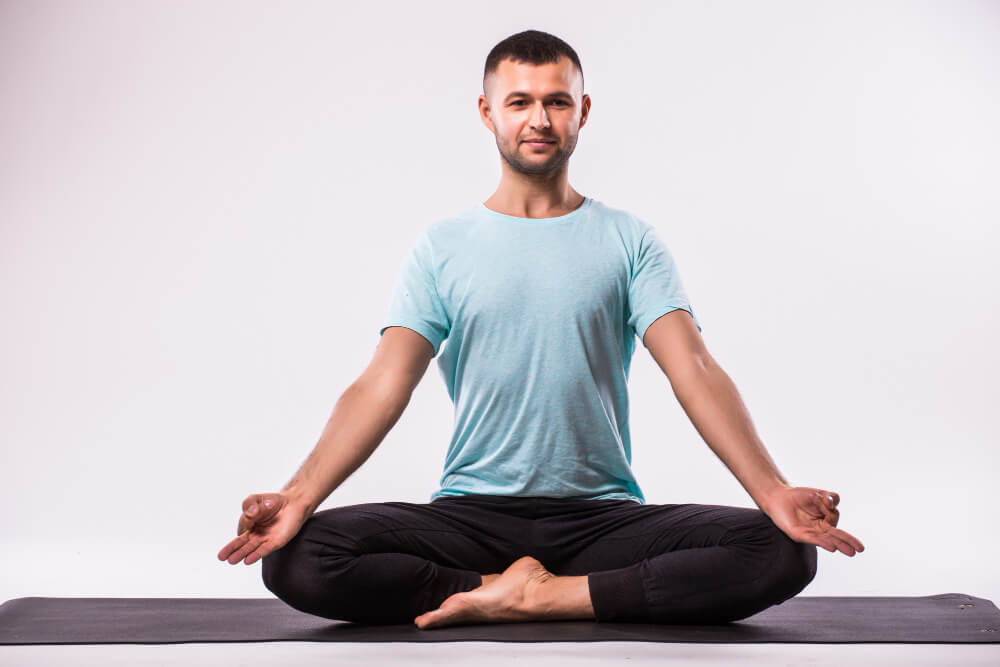
- Spine naturally straight (not rigid)
- Hands on knees in chin mudra (thumb and index finger touching)
Padmasana (Lotus Pose):
- For flexible practitioners
- More stable base
- Same alignment principles
Chair:
- Sit toward front edge
- Feet flat on floor, hip-width apart
- Spine straight, not leaning against backrest
- Hands on thighs
Key alignment points:
- Crown of head lifts toward ceiling
- Shoulders relaxed down and back
- Chest open (heart center lifted)
- Chin slightly tucked (back of neck long)
- Belly relaxed (not held in)
Why posture matters: Slumping compresses diaphragm and reduces lung capacity. Erect spine creates optimal space for breath.
Step 2: Center and Prepare (1-2 Minutes)
Transition from daily life to practice.
Centering practice:
- Close your eyes or soften gaze downward
- Take 5-10 slow, deep breaths through nose
- Observe natural breath without controlling it
- Notice points of tension and consciously relax
- Set intention for practice (e.g., “I invite vitality and clarity”)
- Bring awareness to your belly—feel it rise and fall
Mental preparation:
- Let go of tasks and to-do lists
- Release expectations about the practice
- Commit to full presence for next few minutes
- Remember: this is self-care, not performance
Step 3: Learn the Basic Breath Pattern
Master the mechanics before adding speed or intensity.
The breath:
Inhalation:
- Forceful, active pull through nose
- Belly expands fully (pushes out)
- Chest expands (ribs move outward)
- Shoulders may lift slightly
- Sharp, sniffing sound
Exhalation:
- Forceful, active push through nose
- Belly contracts sharply (pulls in toward spine)
- Chest releases
- Shoulders drop
- Sharp, hissing sound
Equal emphasis: Unlike many breathing practices, both inhalation and exhalation are equally forceful in bhastrika.
Practice slowly first:
- Take one forceful inhalation (3-4 seconds)
- Immediately follow with forceful exhalation (3-4 seconds)
- Repeat 5 times slowly
- Rest and breathe naturally
Check your technique:
- Hand on belly moves significantly in and out
- You can hear the breath (but it’s not painful or strained)
- Movement originates from abdomen, not chest
- Face and throat remain relaxed
Step 4: Practice One Complete Round
Now combine all elements.
Full round structure:
Phase 1 – Rapid breathing (30-60 seconds):
- Begin slow, forceful breathing
- Gradually increase speed to comfortable rapid pace
- Maintain equal force on inhale and exhale
- Keep rhythm steady (like a metronome)
- Count breaths mentally if helpful (aim for 20-30 for beginners)
- Stay present—mind focused on breath sensation
Phase 2 – Deep retention (15-30 seconds):
- After final exhalation, take one deep, full inhalation
- Hold breath comfortably (no strain)
- Apply bandhas (energy locks) if you know them:
- Jalandhara bandha (chin lock)
- Uddiyana bandha (abdominal lock)
- Mula bandha (root lock)
- Hold as long as comfortable
- Don’t strain—release before discomfort
Phase 3 – Slow exhalation:
- Release bandhas
- Exhale slowly and completely through nose
- Let breath be gentle, controlled
Phase 4 – Rest (30-60 seconds):
- Breathe naturally
- Observe sensations in body
- Notice energy, warmth, tingling
- Don’t analyze or judge—just notice
- Let heartbeat return to normal
That’s one complete round.
Step 5: Progress Gradually
Build practice safely over weeks and months.
Week 1-2: Foundation
- 1 round of 10-15 breaths
- Focus on technique, not speed
- Practice 3-4 days per week
- Rest completely between sessions
Week 3-4: Building
- 2 rounds of 15-20 breaths each
- Slightly increase speed
- Practice 4-5 days per week
- Notice energy and mood effects
Week 5-8: Intermediate
- 3 rounds of 20-30 breaths each
- Find your sustainable rapid pace
- Practice 5-6 days per week
- Explore longer retentions (if comfortable)
Month 3+: Established Practice
- 3-5 rounds of 30-60 breaths each
- Practice daily or 6 days per week
- Intuitive adjustments based on energy
- May explore advanced variations
Signs you’re progressing too fast:
- Dizziness lasting more than few seconds
- Headaches after practice
- Extreme fatigue
- Feeling scattered or anxious afterward
- Dreading practice
If these occur: Reduce rounds, decrease breath count, slow pace, take more rest days.
Step 6: Integrate Into Daily Routine
Create sustainable practice.
Morning routine integration:
- Wake and eliminate
- Tongue scraping and oral hygiene
- Warm water
- Light stretching (5 min)
- Bhastrika pranayama (5-10 min)
- Meditation (10-15 min)
- Shower and breakfast
Standalone practice (if time is limited):
- 3-5 minutes of bhastrika
- 3-5 minutes of alternate nostril breathing (balancing)
- 2-3 minutes of meditation or stillness
Total: 10-15 minutes for complete pranayama practice
Consistency tips:
- Same time and place daily
- Set alarm reminder
- Track in journal or app
- Partner with friend for accountability
- Start so small you can’t fail (even 1 round counts)
Common Mistakes and How to Avoid Them
Mistake 1: Breathing from Chest Instead of Belly
The problem: Shallow chest breathing limits lung capacity and creates neck tension.
The fix:
- Place hand on belly, feel it expand fully
- Think “belly breathing” not “chest breathing”
- Let belly completely relax (don’t hold it in)
- Imagine balloon in abdomen inflating and deflating
- Practice lying down first to feel proper diaphragmatic movement
Mistake 2: Unequal Emphasis on Inhale and Exhale
The problem: Many people make inhalation forceful but exhalation weak (or vice versa).
The fix:
- Count to same number for in and out
- Listen to sound—should be equal volume
- Feel belly movement—should be equal distance in and out
- Start very slowly to establish equal pattern
- Use mirror to check—shoulders should rise and fall equally
Mistake 3: Going Too Fast Too Soon
The problem: Racing through breaths creates dizziness, hyperventilation, poor technique.
The fix:
- Slower is better than faster for beginners
- Quality over quantity always
- Build speed gradually over weeks
- If dizzy, slow down immediately
- Aim for rhythm and control, not speed records
Mistake 4: Holding Tension in Face, Jaw, or Shoulders
The problem: Tension wastes energy and limits breath capacity.
The fix:
- Consciously relax jaw (lips gently closed but teeth slightly apart)
- Soften forehead and eye area
- Release shoulders downward every few breaths
- Occasionally pause, scan for tension, release
- Remember: effort is in abdomen only; everything else relaxes
Mistake 5: Practicing Too Soon After Eating
The problem: Full stomach compresses diaphragm and can cause nausea or discomfort.
The fix:
- Wait minimum 3 hours after full meal
- Wait 1-2 hours after light snack
- Completely empty stomach is ideal
- Morning practice before breakfast is best
- If you must practice after eating, make it very gentle and brief
Mistake 6: Forgetting the Retention Phase
The problem: Skipping retention loses half the benefit—the parasympathetic balance.
The fix:
- Always include retention after rapid breathing
- Even 10 seconds provides benefit
- Don’t strain—comfort is key
- This is where integration and balance happens
- Advanced practitioners can hold 30-60 seconds comfortably
Mistake 7: Skipping Warm-Up or Rest Between Rounds
The problem: Jumping straight into intense practice shocks the system; skipping rest doesn’t allow integration.
The fix:
- Always start with 5-10 natural breaths
- Take full rest period between rounds (30-60 seconds minimum)
- Use rest time to observe effects
- End session with 2-3 minutes of natural breathing
- Transition gently back to daily activities
Safety Guidelines and Contraindications
Who Should Avoid or Modify Bhastrika
Absolute contraindications (do not practice):
- Pregnancy: All trimesters—too stimulating and increases intra-abdominal pressure
- Menstruation (heavy flow): Wait until flow lightens; gentle pranayama only during heavy days
- Recent abdominal surgery: Wait 6-12 weeks minimum with doctor clearance
- Hernia: Increased abdominal pressure can worsen condition
- Uncontrolled high blood pressure: Can spike blood pressure acutely
- Recent heart attack or stroke: Wait 6+ months with cardiologist approval
- Severe asthma during attack: Practice only when stable
- Detached retina or glaucoma: Increased pressure can damage eyes
- Active peptic ulcer: Abdominal pressure can aggravate
- Epilepsy: May trigger seizures in susceptible individuals
Relative contraindications (modify or practice with caution):
- Controlled high blood pressure: Start very gently with doctor approval
- Anxiety disorders: Begin with just 5-10 breaths, may initially increase anxiety
- Mild asthma: Practice when symptom-free, have inhaler nearby
- Chronic fatigue syndrome: Very gentle practice; may initially increase fatigue
- Vertigo or balance disorders: Practice seated with support
- Recent rib injury: Wait until fully healed
- COPD or emphysema: Gentle practice with modifications
- Heart disease (stable): Only with cardiologist approval, very gentle approach
Modifications for Special Populations
Seniors (65+):
- Reduce speed significantly
- Fewer breaths per round (10-15)
- Longer rest between rounds
- Seated in chair for stability
- Focus on technique over intensity
Beginners to yoga/pranayama:
- Master kapalabhati first (gentler)
- Start with 1 round of 10 breaths
- Build very slowly
- Prioritize comfort over challenge
Those with respiratory conditions:
- Practice during symptom-free periods
- Very gentle intensity
- Have rescue medication nearby
- Stop immediately if breathing becomes difficult
- Work with respiratory therapist when possible
Warning Signs to Stop Immediately
Stop practice and rest if you experience:
- Severe dizziness that doesn’t resolve in 30 seconds
- Chest pain or tightness
- Severe shortness of breath (different from controlled breathlessness)
- Rapid heartbeat that feels irregular
- Numbness or tingling that spreads (mild tingling in hands is normal)
- Nausea or feeling faint
- Headache (mild warmth in head is normal; pain is not)
- Any sharp pain anywhere
After stopping:
- Sit or lie down
- Breathe naturally
- Sip water
- If symptoms persist beyond 5 minutes, seek medical attention
Prevention:
- Never push beyond comfortable capacity
- Build gradually over weeks
- Practice on empty stomach
- Stay hydrated
- Honor contraindications
Bhastrika in Context: Complete Pranayama Practice
Traditional Sequencing
Bhastrika is most effective when practiced as part of complete pranayama routine:
Complete 20-minute pranayama practice:
1. Centering and natural breath observation (2 min)
2. Gentle warm-up:
- Deep belly breathing: 10 breaths
- 3-part breathing: 10 breaths
3. Nadi Shodhana (Alternate Nostril Breathing) (5 min)
- Balances energy channels
- Calms mind
- Prepares for more intense practice
4. Kapalabhati (Skull Shining Breath) (3 min)
- 3 rounds of 30-50 breaths
- Cleanses and energizes
- Bridges to bhastrika
5. Bhastrika (Bellows Breath) (5 min)
- 3-5 rounds
- Main energizing practice
- Peak intensity
6. Bhramari (Bee Breath) (3 min)
- Calming, cooling
- Balances after intensity
- 5-7 long humming breaths
7. Integration and meditation (5 min)
- Natural breathing
- Observe effects
- Silent meditation
This sequence: Prepares → Energizes → Balances → Integrates
Advanced Variations and Techniques
Once You’ve Mastered the Basics (After 3+ Months)
Variation 1: Bhastrika with Arm Movements
Adds physical dimension to enhance lung expansion:
- Inhale: Arms rise overhead in wide arc
- Exhale: Arms sweep down forcefully to sides
- Coordinate breath and movement precisely
- Increases shoulder mobility while intensifying breath
Benefits: Greater lung expansion, shoulder opening, full-body engagement.
Variation 2: Sectional Bhastrika
Practice through alternate nostrils:
- Close left nostril, bhastrika through right only (10 breaths)
- Rest
- Close right nostril, bhastrika through left only (10 breaths)
- Rest
- Both nostrils open (20 breaths)
Benefits: Balances hemispheres, clears individual channels, advanced control.
Variation 3: Extended Retention with Bandhas
After rapid breathing phase:
- Inhale fully and hold
- Apply all three bandhas:
- Mula bandha (root lock: pelvic floor engagement)
- Uddiyana bandha (abdominal lock: draw navel to spine and up)
- Jalandhara bandha (chin lock: lower chin to chest)
- Hold as long as comfortable (30-90 seconds for advanced)
- Release locks before releasing breath
- Exhale slowly
Benefits: Deeper energy work, enhanced prana circulation, advanced practice.
Caution: Only practice bandhas after proper instruction from qualified teacher.
Variation 4: Bhastrika in Different Positions
Standing Bhastrika:
- Feet hip-width, knees slightly bent
- More grounding through legs
- Can incorporate arm movements
- More challenging balance element
Lying Bhastrika:
- Supine position (on back)
- Easier to feel diaphragm movement
- Good for learning proper technique
- Less intense than seated
Combining Bhastrika with Other Practices
Synergistic Practices
Bhastrika + Asana (Yoga Postures):
- Practice bhastrika before asana for energy
- Or after gentle warm-up, before peak poses
- Enhances strength and stamina in practice
Bhastrika + Meditation:
- Energizes mind for alert meditation
- Clears mental fog
- 5 minutes bhastrika → 15 minutes meditation is powerful combination
Bhastrika + Cold Exposure:
- Some practitioners combine with cold showers
- Both activate sympathetic then parasympathetic
- Powerful resilience building
- Wim Hof method uses similar (not identical) breathing
Bhastrika + Ayurvedic Routine:
- Perfect within morning dinacharya
- Practice after tongue scraping, oil pulling
- Before breakfast for metabolic benefits
Troubleshooting: Common Challenges and Solutions
Challenge 1: “I Get Extremely Dizzy”
Likely causes:
- Hyperventilation (breathing too fast)
- Breathing from chest not belly
- Low blood pressure
- Dehydration
Solutions:
- Slow down significantly
- Take longer rests between rounds
- Practice seated against wall for safety
- Reduce number of breaths per round
- Ensure proper belly breathing
- Drink water before practice
- If dizziness is severe, consult doctor
Challenge 2: “My Mind Wanders and I Lose Count”
This is completely normal.
Solutions:
- Let go of counting—go by time instead (use timer)
- Count in smaller chunks (count to 10 repeatedly)
- Focus on sensation instead of numbers
- Use breath sound as anchor for attention
- Gently return to breath when you notice wandering
- Remember: mind wandering is part of practice, not failure
Challenge 3: “I Feel Anxious or Panicky During Practice”
Likely causes:
- Breathing too fast
- Not exhaling completely
- Holding tension in body
- Anxiety triggering (some people with anxiety disorders experience this)
Solutions:
- Slow pace dramatically
- Ensure complete exhalation (don’t gulp air)
- Consciously relax jaw, shoulders
- Take breaks whenever needed—even mid-round
- Try gentler practices first (alternate nostril breathing)
- Work with trauma-informed yoga teacher if anxiety persists
- Combine with therapy if practicing for anxiety management
Challenge 4: “I Don’t Feel Anything—No Energy Boost”
Likely causes:
- Not practicing intensely enough
- Skipping retention phase
- Practicing after meals (reduces effectiveness)
- Expecting immediate dramatic results
- Only practiced a few times (benefits accumulate)
Solutions:
- Increase force of breathing
- Ensure you’re really engaging belly fully
- Add retention with breath hold
- Practice on empty stomach
- Be patient—some people feel effects immediately, others after weeks
- Try practicing first thing in morning
- Experiment with more rounds or more breaths per round
Challenge 5: “I Get a Headache Afterward”
Likely causes:
- Tension in face/neck/shoulders
- Breathing too forcefully too fast
- Mild dehydration
- Possible detox reaction (first week or two)
- Blood pressure changes
Solutions:
- Consciously relax face during practice
- Reduce intensity
- Drink water before and after
- Ensure you’re not skipping rest phases
- Stop if headache is severe
- If headaches persist, consult doctor
Measuring Your Progress
Short-Term Indicators (Weeks 1-4)
Physical:
- Increased energy within 30 minutes of practice
- Easier deep breathing throughout day
- Reduced afternoon fatigue
- Warmer hands and feet (better circulation)
- Clearer sinuses
Mental/Emotional:
- Enhanced focus during morning work
- Better mood stability
- Reduced anxiety around stressful events
- Improved sleep quality
- Feeling of accomplishment from consistent practice
Practice-Specific:
- Can complete more breaths comfortably
- Less dizziness than initial sessions
- Better rhythm and control
- Technique feels smoother, more natural
- Can hold retention longer comfortably
Medium-Term Benefits (Months 2-3)
Physical:
- Measurably increased lung capacity (can test with spirometer)
- Reduced frequency of colds/infections
- Improved athletic/exercise performance
- Better posture (from stronger respiratory muscles)
- Visible reduction in stress-related symptoms
Mental/Emotional:
- Significant improvement in stress resilience
- Enhanced cognitive function (memory, focus)
- Deeper meditation practice
- Greater emotional regulation
- Sense of mental clarity as baseline
Practice-Specific:
- Practice feels effortless, even natural
- Can do 5+ rounds comfortably
- Strong mind-breath connection
- Intuitive understanding of when to intensify or ease back
- Practice becomes non-negotiable part of routine
Long-Term Transformation (Months 4-12+)
Physical:
- Robust immunity—rarely get sick
- Sustained high energy without stimulants
- Optimal weight maintained easily
- Strong, efficient cardiovascular system
- Visible vitality (clear skin, bright eyes, strong presence)
Mental/Emotional:
- Deep inner calm as foundation
- Exceptional stress resilience
- Creative problem-solving enhanced
- Emotional maturity and wisdom
- Strong sense of self-efficacy
Spiritual/Life Impact:
- Disciplined approach to other life areas
- Deeper meditation and spiritual practice
- Sense of mastery over self
- Inspiration to others
- Overall life satisfaction improved
Real-World Applications and Success Stories
Athletic Performance Enhancement
Case: Marathon Runner
Background: 34-year-old recreational marathoner, plateaued at 4:15 finish time, frequent upper respiratory infections during training.
Intervention: Added 10 minutes daily bhastrika practice (5 rounds, 30 breaths each) before morning runs.
Results after 12 weeks:
- Marathon time: 3:52 (23-minute improvement)
- VO2 max increased 18%
- Zero respiratory infections during training cycle
- Reported “breathing felt effortless” even at high exertion
- Faster recovery between hard workouts
Chronic Fatigue Recovery
Case: Business Professional with Chronic Fatigue
Background: 42-year-old experiencing persistent fatigue, brain fog, afternoon crashes requiring multiple coffees.
Intervention: Morning bhastrika (3 rounds, 20 breaths) + afternoon practice (2 rounds, 15 breaths) replacing coffee.
Results after 8 weeks:
- Energy levels “transformed”—consistent throughout day
- Eliminated caffeine completely
- Mental clarity “better than it’s been in years”
- Sleep quality dramatically improved
- Lost 8 pounds without diet changes (metabolic improvement)
Respiratory Health Improvement
Case: Chronic Sinus Issues
Background: 58-year-old with chronic sinusitis, constant post-nasal drip, frequent sinus infections (3-4 per year).
Intervention: Daily bhastrika (morning, 4 rounds of 25 breaths) combined with nasal irrigation.
Results after 3 months:
- Zero sinus infections
- Post-nasal drip reduced 90%
- Discontinued daily antihistamine
- Sense of smell returned (had been diminished for years)
- “Can breathe clearly through nose for first time in decade”
Anxiety and Depression Management
Case: Young Adult with Generalized Anxiety
Background: 27-year-old with diagnosed GAD, frequent panic attacks, on SSRI medication.
Intervention: Daily morning bhastrika (started gently: 1 round of 10 breaths, built to 3 rounds of 25) as part of comprehensive anxiety management (continued therapy and medication).
Results after 6 months:
- Panic attacks reduced from 2-3/week to 1-2/month
- Anxiety scores decreased 55%
- Working with psychiatrist to taper medication
- “First time in years I feel in control of my mind”
- Better sleep, reduced rumination
Conclusion
You’ve reached the end of this guide, but you’re standing at the beginning of transformation.
The benefits of bhastrika pranayama aren’t theoretical. They’re real, measurable, and available to you starting tomorrow morning.
Increased lung capacity. Supercharged immunity. All-day energy without caffeine. Mental clarity that cuts through fog. Stress resilience that changes how you move through the world.
These aren’t promises—they’re documented experiences of millions of practitioners over thousands of years, now validated by modern science.
But here’s what matters most: reading about bhastrika accomplishes nothing. Only practice delivers results.
Your lungs are waiting to expand to their full capacity. Your cells are waiting for the oxygen they’ve been denied. Your mind is waiting for the clarity that comes with proper breathing.
Start tomorrow. Not next week. Not when life gets less busy. Tomorrow morning.
Five minutes. Three rounds of 15-20 breaths each. That’s all it takes to begin.
In two weeks, you’ll notice the difference. Your energy will be more stable. Your breathing will be easier. Your mind will be clearer.
In two months, you won’t recognize your old baseline. What felt normal—afternoon crashes, frequent colds, mental fog—will seem unacceptable now that you know what’s possible.
In six months, people will ask what you’re doing differently. You’ll glow with vitality they can see but can’t quite name.
That transformation starts with a single forceful breath.
FAQ
Q1: What are the main benefits of bhastrika pranayama?
Ans: The primary benefits of bhastrika pranayama include increased lung capacity (20-25%), enhanced cellular oxygenation, strengthened immunity (40% fewer infections), improved mental clarity and focus, reduced stress and anxiety, accelerated metabolism, better cardiovascular health, detoxification of respiratory system, balanced hormones, and sustained energy without stimulants. Most practitioners notice improved energy and breathing within 2-3 weeks of daily practice.
Q2: Is bhastrika pranayama safe for beginners?
Ans: Yes, bhastrika is safe for healthy beginners when practiced correctly with gradual progression. Start with 1-2 rounds of just 10-15 breaths, focus on proper technique, and build slowly over weeks. Avoid if you have uncontrolled high blood pressure, heart conditions, are pregnant, or have hernias. Begin with gentler kapalbhati first, then progress to bhastrika after mastering basics.
Q3: How long should I practice bhastrika pranayama daily?
Ans: Beginners should practice 3-5 minutes daily (1-2 rounds of 10-15 breaths). Intermediate practitioners can do 5-10 minutes (3-5 rounds of 20-30 breaths). Advanced practitioners may practice 10-15 minutes (5-7 rounds of 30-60 breaths). Quality and consistency matter more than duration. Even 3 minutes daily provides significant benefits when practiced correctly.
Q4: Can bhastrika pranayama help with weight loss?
Ans: Bhastrika supports weight management by increasing metabolic rate 10-15%, generating internal heat, improving thyroid function, enhancing insulin sensitivity, and reducing cortisol levels that promote belly fat storage. While not a standalone weight loss solution, it’s powerful metabolic support when combined with healthy diet and exercise. Practitioners often report easier weight management and reduced stubborn fat.
Q5: What’s the difference between bhastrika and kapalbhati pranayama?
Ans: Bhastrika involves forceful, active inhalation and exhalation with equal emphasis on both, creating balanced energizing effect. Kapalbhati emphasizes forceful exhalation only with passive inhalation, focusing on cleansing. Bhastrika is more intense and powerful; kapalbhati is gentler. Beginners should master kapalbhati first before progressing to bhastrika. Both offer tremendous benefits but serve different primary purposes in pranayama practice.
KEY TAKEAWAYS
Essential Understanding Points
✅ Bhastrika is powerful medicine: 15 scientifically-documented benefits from lung capacity to immunity to mental health
✅ Technique matters enormously: Forceful, equal inhale and exhale from belly—not chest breathing
✅ Start gently, progress gradually: 10-15 breaths for beginners; build to 30-60 over weeks
✅ Retention phase is essential: The breath hold after rapid breathing is where nervous system balances
✅ Empty stomach is mandatory: Practice 3+ hours after meals for safety and effectiveness
✅ Contraindications are serious: Pregnancy, uncontrolled hypertension, recent heart attack, hernias—respect these
✅ Different from kapalbhati: Both valuable; bhastrika is more intense with active inhale and exhale
✅ Effects are cumulative: Some immediate benefits, but transformation builds over weeks and months
✅ Consistency trumps intensity: 3-5 minutes daily beats occasional 20-minute sessions
✅ Part of complete practice: Most effective within full pranayama sequence with balancing techniques
✅ Scientific validation exists: Research confirms ancient yogic wisdom about respiratory and systemic benefits
✅ Listen to your body always: Dizziness, pain, or discomfort are signals to stop and adjust
About Pranayama and TheShivYoga
Pranayama means “life force extension”—the ancient yogic science of breath control for health, vitality, and spiritual development. For 5,000+ years, yogis have used these techniques to optimize every system in the human body.
At TheShivYoga, we make these powerful practices accessible to modern practitioners. You don’t need years of yoga experience or hours of daily practice to benefit. Just willingness to breathe consciously.
Our mission: Empowering people to reclaim their vitality through the most fundamental and available tool—breath.
Prana is Life 🌬️
(Energy is everything)